One training video, once a year.
Staff click through an annual compliance video, tick the box, and forget it within a week. No ongoing testing, no way to tell who's actually at risk.
Most breaches start with one person clicking one link. Stack2 runs ongoing phishing simulations and bite-sized security awareness training for your team — managed by our Australian engineers, not a portal you have to run yourself.
Technical controls stop a lot — they don't stop someone typing their password into a convincing fake login page. This closes that gap.
Realistic, varied simulated phishing emails sent to your team on an ongoing schedule — not a single annual test. Difficulty and style shift over time to build genuine resilience against current tactics.
Short video training modules on phishing, passwords, social engineering, and data handling — built to actually get watched, not skipped past like a compliance tick-box.
Staff who click a simulated phishing email get an immediate, targeted training moment on exactly what they missed. Coaching, not blame — so people report suspicious emails instead of hiding mistakes.
Organisation-wide and individual risk reporting tracking simulation results and training completion over time — useful for management reporting and cyber insurance applications.
Baseline security awareness training rolled into onboarding automatically, so every new employee starts with the same foundation — not whatever they picked up at their last job.
We schedule the campaigns, review the results, and follow up directly with teams or individuals who need extra help — as part of your existing Stack2 IT support, not a separate portal to log into.
This covers the human side of security. For the technical controls — endpoint protection, email filtering, MFA, backups — see Cyber Security.
The difference between a training video nobody remembers and a program that changes behaviour.
Staff click through an annual compliance video, tick the box, and forget it within a week. No ongoing testing, no way to tell who's actually at risk.
Regular phishing simulations and bite-sized training build habits that stick, and give you a live picture of where your risk actually sits.
Bought as a self-serve tool — someone internally has to set up campaigns, interpret the reporting, and chase up staff who are falling behind.
We schedule the campaigns, watch the results, and reach out directly to anyone who needs extra coaching. You get the outcome, not another admin task.
Security awareness training bought from one provider, IT support from another. Nobody has the full picture when something actually goes wrong.
Run by the same Australian team that manages your IT — one point of contact, one relationship, results tied back to your actual environment.
If your question isn't here, contact us — an engineer will reply, usually within a few hours on business days.
An ongoing program of simulated phishing campaigns and short security awareness training, designed to reduce the chance your staff fall for a real attack. Most breaches start with someone clicking the wrong link — this targets that risk directly, rather than relying on a once-a-year training video.
On a regular, ongoing schedule rather than as a one-off test. We vary the style and difficulty of the simulated emails over time so staff build resilience against current phishing tactics, not just the one email they saw last time.
They're immediately shown a short, targeted training moment explaining what they missed and how to spot it next time. It's designed to coach, not shame — the goal is a team that reports suspicious emails with confidence, not one that hides mistakes.
Everyone. New starters get baseline training as part of onboarding, and the whole team goes through ongoing simulations and refresher training. Human risk doesn't stay fixed after induction week, so the program runs continuously.
Yes. You get organisation-wide and individual risk reporting showing simulation results and training completion over time, which many businesses use to support cyber insurance applications and management or board reporting.
Yes. Human Risk Management is run by the same Australian team that manages your IT support, so results, follow-up, and any at-risk staff are handled as part of your existing relationship rather than a separate vendor and a separate login.
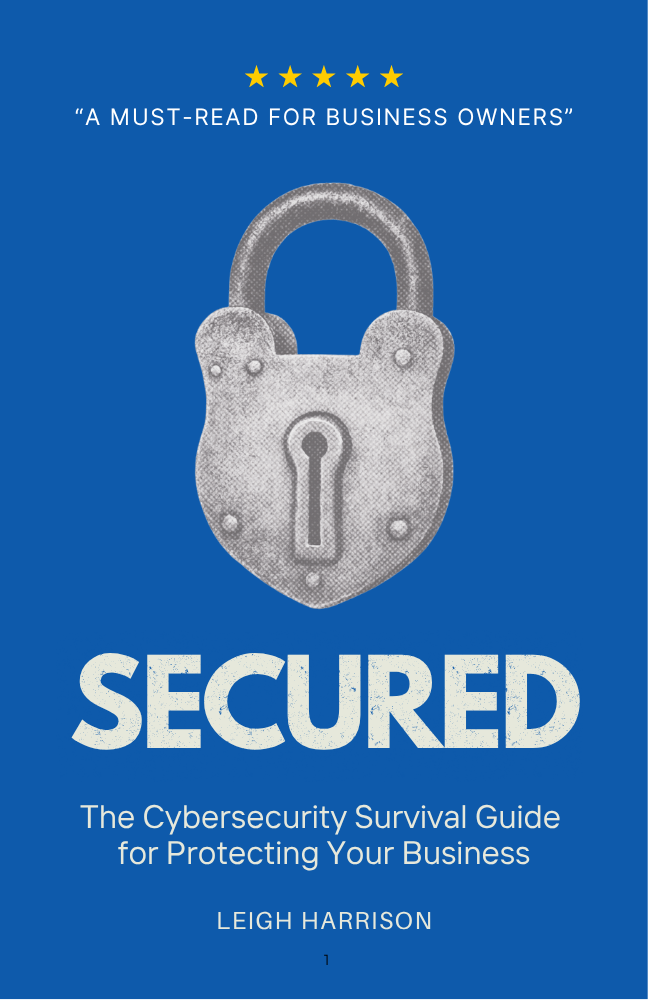
Our cybersecurity survival guide for business owners — the most common threats, the controls that stop them, and what to do if something goes wrong. Free the moment you join Tech For Humans, our newsletter.
Get a quote or ask about adding Human Risk Management to your existing IT support. Usually back to you within a few hours on business days.